4 Reasons Why Larger Wireless Speakers Are Making a Comeback
Key Takeaways
- Larger wireless speakers are returning because users want fuller sound that small portable devices cannot deliver.
- Modern homes and shared spaces benefit more from high-output speakers than ultra-compact models.
- Advances in battery, connectivity, and tuning have removed many historical drawbacks of large speakers.
- A well-designed wireless speaker, such as a JBL speaker, now balances power, convenience, and durability.
Introduction
The audio market, for several years, favoured ultra-compact audio devices designed for maximum portability. Small speakers became synonymous with convenience, travel, and casual listening. However, listening habits have shifted. Consumers are spending more time at home, hosting informal gatherings, and using speakers as a central audio solution rather than a secondary device. Due to this, larger wireless speakers are regaining relevance. This approach is not a return to old wired systems, but a renewed interest in speakers that deliver scale, depth, and reliability without sacrificing wireless convenience.
1. Demand for Fuller, Room-Filling Sound
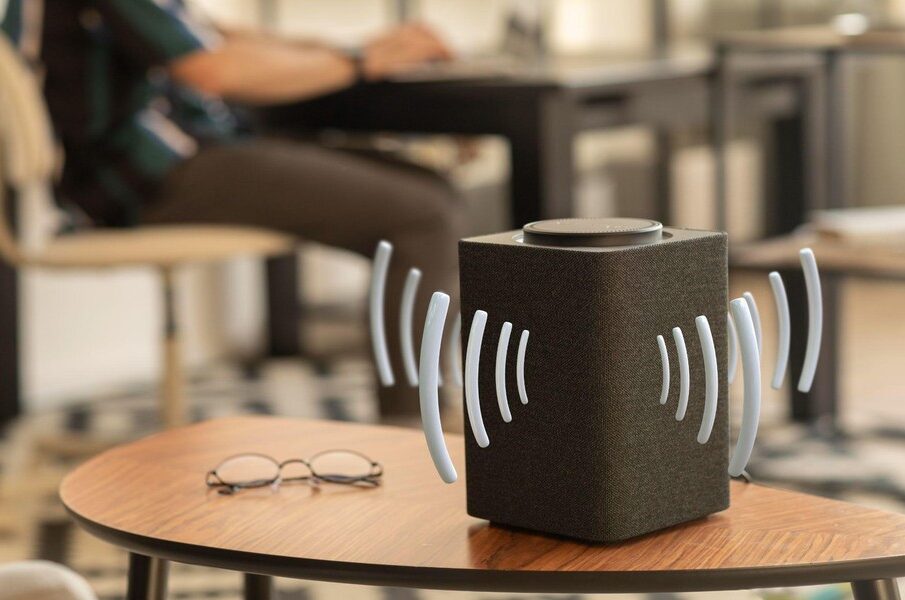
One of the main drivers behind the comeback is sound performance. Small speakers struggle to reproduce low frequencies and maintain clarity at higher volumes. Larger wireless speakers solve this by accommodating bigger drivers, multiple speaker units, and improved acoustic chambers. This characteristic translates into deeper bass, better separation, and consistent sound across a room.
Since more users rely on a single wireless speaker for music, video streaming, and casual entertainment, sound quality becomes a priority rather than a bonus. For example, a larger JBL speaker is designed to maintain balance and volume without distortion, making it suitable for living rooms, open-plan homes, and shared spaces. The preference is shifting from “good enough” audio to sound that feels immersive and stable.
2. Changing Home and Lifestyle Usage
Wireless speakers are no longer limited to background music. They are now used during work-from-home hours, fitness sessions, social gatherings, and weekend downtime. These scenarios demand sustained volume and coverage that compact devices cannot provide.
Larger wireless speakers are better suited to these mixed-use environments. They can remain in one primary location while still being portable enough to move between rooms. This flexibility aligns with modern living patterns, where a single device is expected to serve multiple functions. Instead of owning several small speakers, users are choosing one larger wireless speaker that performs consistently across different contexts.
3. Improved Battery and Wireless Technology
Historically, larger speakers were associated with short battery life and limited mobility. This belief is no longer the case. Advances in battery efficiency now allow large-format wireless speakers to operate for extended periods without frequent charging. Fast-charging and power-saving features further reduce downtime.
Connectivity has also improved. Bluetooth stability, multi-device pairing, and reduced latency have made larger speakers as easy to use as their smaller counterparts. A modern wireless speaker no longer feels like a compromise between power and convenience. For example, JBL speakers now have refined wireless technology to ensure reliable performance even at higher output levels.
4. Durability and Long-Term Value
Consumers are becoming more selective about purchases, prioritising longevity and versatility. Larger wireless speakers are often built with more robust materials, better thermal management, and higher water or dust resistance ratings. This instance makes them suitable for both indoor and outdoor use.
From a value perspective, a single high-quality speaker can replace multiple smaller devices. This approach reduces clutter and simplifies audio setups. Larger models present a more practical investment for users who want a dependable speaker that performs well over several years. The comeback is therefore driven not just by sound, but by durability and cost efficiency over time.
Conclusion
Larger wireless speakers are returning because they better match how people actually use audio today. Users want consistent sound, broader coverage, and devices that can handle varied environments without constant compromises. Due to improved technology and thoughtful design, the modern wireless speaker-particularly a well-engineered JBL speaker-offers power, reliability, and convenience in a single solution. This shift reflects a move towards fewer devices that do more, rather than smaller devices that do less.
Visit Harvey Norman to explore speaker options designed for fuller sound, stronger build quality, and everyday reliability.