What Materials Can a UV Printer Print On?
One of the biggest advantages of UV printing is its ability to print directly onto a wide range of materials. Unlike traditional printers that are mainly designed for paper or textile applications, a UV printer can be used to customize many rigid and semi-rigid products, making it a popular choice for creators, Etsy sellers, and small businesses.
But exactly what materials can a UV printer print on?
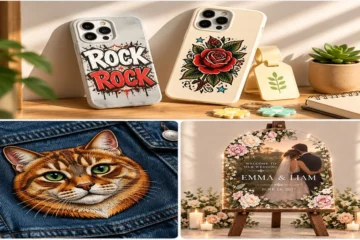
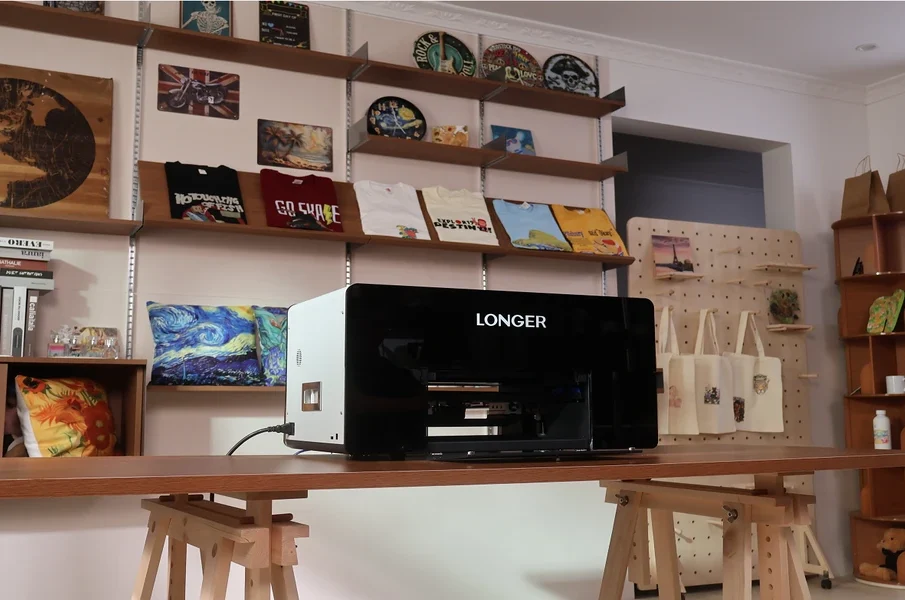
Depending on the printer and ink system, UV printing can be used on materials such as acrylic, wood, glass, metal, leather, ceramics, plastics, packaging, and more. LONGER ePrint is designed to take advantage of this versatility, combining direct UV printing with DTF, DTG and UV DTF capabilities in one desktop platform.
What Is UV Printing?
UV printing is a digital printing process that uses UV-curable ink. The ink is deposited onto the surface of a material and cured almost immediately using ultraviolet light. This curing process allows the ink to adhere to many compatible surfaces and makes it possible to print detailed graphics directly onto a variety of objects.
The exact materials a UV printer can handle depend on the printer, ink, surface treatment, and printing conditions. Always verify material compatibility before production.
Acrylic
Acrylic is one of the most popular materials for UV printing. Its smooth surface makes it suitable for detailed graphics, logos, text, and decorative designs. Transparent acrylic can also be used for creative visual effects when combined with white ink and other printing layers. ePrint can produce high-resolution graphics and raised effects, making it suitable for premium acrylic customization.
Wood
UV printing can be used on many types of finished wood products and wooden surfaces. Wood is particularly popular for personalized home décor, signs, plaques, ornaments, and gifts. Because wood surfaces can vary significantly in texture and finish, test printing is recommended before large production runs.
Glass
UV printing can be used on compatible glass surfaces to create customized products and decorative designs. For products with curved or difficult-to-print surfaces, UV DTF can provide an alternative transfer-based workflow.
Metal
A UV printer can also print on many compatible metal surfaces. The surface condition is important. Clean, properly prepared materials generally provide better and more consistent printing results.
Leather and Faux Leather
Compatible leather and synthetic leather products can also be customized with UV printing. Because different leather materials have different coatings and surface characteristics, testing is recommended before production.
Ceramic
Ceramic products are another popular category for UV customization. For curved ceramic products, UV DTF printing can provide greater application flexibility than direct flatbed printing.
Plastics
Many compatible plastics can be customized using UV printing. Different plastics have different surface properties, so adhesion and surface preparation should be evaluated for each material.
PVC and Synthetic Materials
PVC and other synthetic materials can be suitable for UV printing depending on their formulation and surface finish. For businesses producing multiple product types, material testing is important because not all PVC or synthetic materials behave the same way during UV printing.
Packaging Materials
UV printing can also be used for customized packaging and product branding. This can be especially useful for small businesses that want to create branded packaging without ordering very large quantities from a traditional packaging manufacturer.
Paper and Cardboard
Although UV printing is often associated with rigid products, compatible paper and cardboard materials can also be used for certain applications. The exact result depends on the coating, absorbency, and surface characteristics of the material.
Stone and Similar Rigid Materials
Some compatible stone and stone-like surfaces can also be customized using UV printing. The surface should be clean and suitable for ink adhesion before production.
Fabric and Textiles
Traditional direct UV printing is not primarily designed for general textile production. However, LONGER ePrint expands its application range by supporting DTF and DTG printing. This means businesses can use the same platform for textile-related applications without treating UV printing itself as a replacement for specialized textile printing. This combination can be particularly useful for businesses selling both personalized hard goods and apparel.
Is a Desktop UV Printer Suitable for Different Materials?
A Desktop UV Printer can be a practical option for creators who want to experiment with multiple materials without investing in a large industrial system. For a home studio, workshop, Etsy business, or small customization company, a Small UV Printer can provide a more accessible way to begin producing personalized products. However, businesses should consider more than the machine’s physical size.
How to Choose Materials for UV Printing
Not every material will produce the same results. Before starting production, consider the following:
Surface Smoothness
Smooth surfaces generally provide more predictable ink deposition.
Ink Adhesion
Different materials can have very different surface properties. Test adhesion before selling finished products.
Surface Coating
Painted, coated, laminated, or treated surfaces may behave differently from untreated materials.
Material Thickness
Check whether the material fits within the printer’s supported height range.
Shape
Flat products are generally easier to print directly. Curved or irregular products may be better suited to UV DTF.
Final Thoughts
So, what materials can a UV printer print on?
A compatible UV printer can print on a wide range of materials, including acrylic, wood, glass, metal, leather, ceramics, plastics, packaging, and other suitable rigid or semi-rigid surfaces. The exact compatibility depends on the material, surface treatment, ink system, and printer specifications.
LONGER ePrint is designed to make this flexibility more useful for creators and small businesses. With UV, DTF, DTG and UV DTF capabilities, ePrint can support both rigid-product customization and textile applications.
For creators looking beyond a basic Small UV Printer, LONGER ePrint provides a versatile Desktop UV Printer platform that can help turn a wider range of materials into customized products and new business opportunities.