
Retatrutide Research Insights: Understanding Its Effects on Energy Expenditure
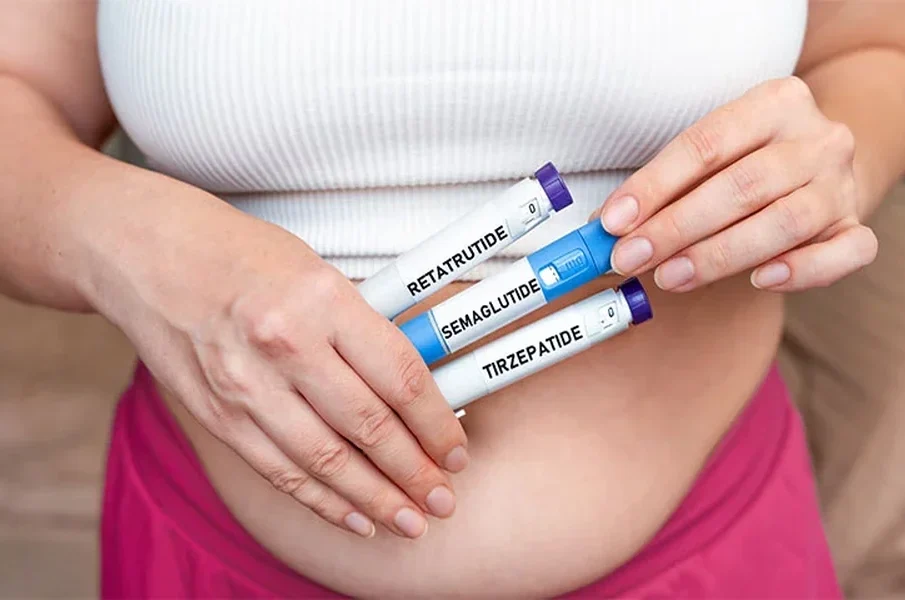
Retatrutide has attracted scientific interest because of its potential influence on the body’s energy balance. Researchers are studying how this experimental compound interacts with specific hormone pathways involved in appetite regulation and calorie use. These investigations may help explain changes in metabolic activity observed during clinical research. Understanding its biological actions requires attention to energy production, storage and daily expenditure. Careful evaluation of research findings also helps separate established evidence from early observations while highlighting areas that require further scientific investigation.
Evaluating Research Costs Carefully
Scientific materials and study resources involve different expenses. Researchers comparing retatrutide price information should distinguish commercial claims from verified research costs and documented product details. Price alone cannot establish quality, purity or scientific reliability.
Understanding Its Biological Activity
Retatrutide is an experimental compound designed to activate three hormone receptors associated with appetite control and metabolic regulation.
Exploring Hormone Receptor Activity
Its activity involves pathways linked to glucagon, glucose-dependent insulinotropic polypeptide and glucagon-like peptide-1.
Examining Daily Energy Balance
Energy balance depends on calories consumed and calories used through essential body functions, movement and other biological processes.
Investigating Metabolic Responses
Researchers examine how receptor activation may influence processes connected with blood sugar control and overall energy regulation.
Studying Calorie Usage Patterns
Scientific observations focus on whether changes in appetite and metabolic activity influence the body’s daily calorie requirements.
Understanding Appetite Signals
Hormone pathways involved in fullness signals may affect eating patterns, potentially changing the amount of energy entering the body.
Reviewing Clinical Research Findings
Clinical studies provide information about metabolic measurements, body weight changes and other outcomes observed under controlled research conditions.
Energy Expenditure Research Factors
Scientists consider several measurements when evaluating changes in energy use. These indicators help explain how different biological processes contribute to daily calorie consumption.
- Resting energy expenditure measures calories used while the body remains at rest.
- Physical activity contributes additional energy requirements through movement.
- Digestive processes require energy to break down and absorb nutrients.
- Hormone activity can influence several metabolic functions.
- Individual characteristics may affect measured energy requirements.
Understanding metabolic activity requires careful analysis rather than assumptions based on isolated findings. Researchers should compare controlled measurements, assess study limitations and examine biological differences before drawing meaningful conclusions. Transparent documentation can improve confidence in reported observations. Anyone reviewing retatrutide price information should also distinguish research materials from approved medical products. Continued investigation remains essential for developing a clearer picture of energy regulation and its possible relationship with this experimental compound.